
Last Updated on August 7, 2026 by Caddo Moon
If you look through the items in our catalog you might notice that we tag our copper jewelry as either “bright copper” or “antiqued copper.” You might be wondering what the difference is. Well, here we go…
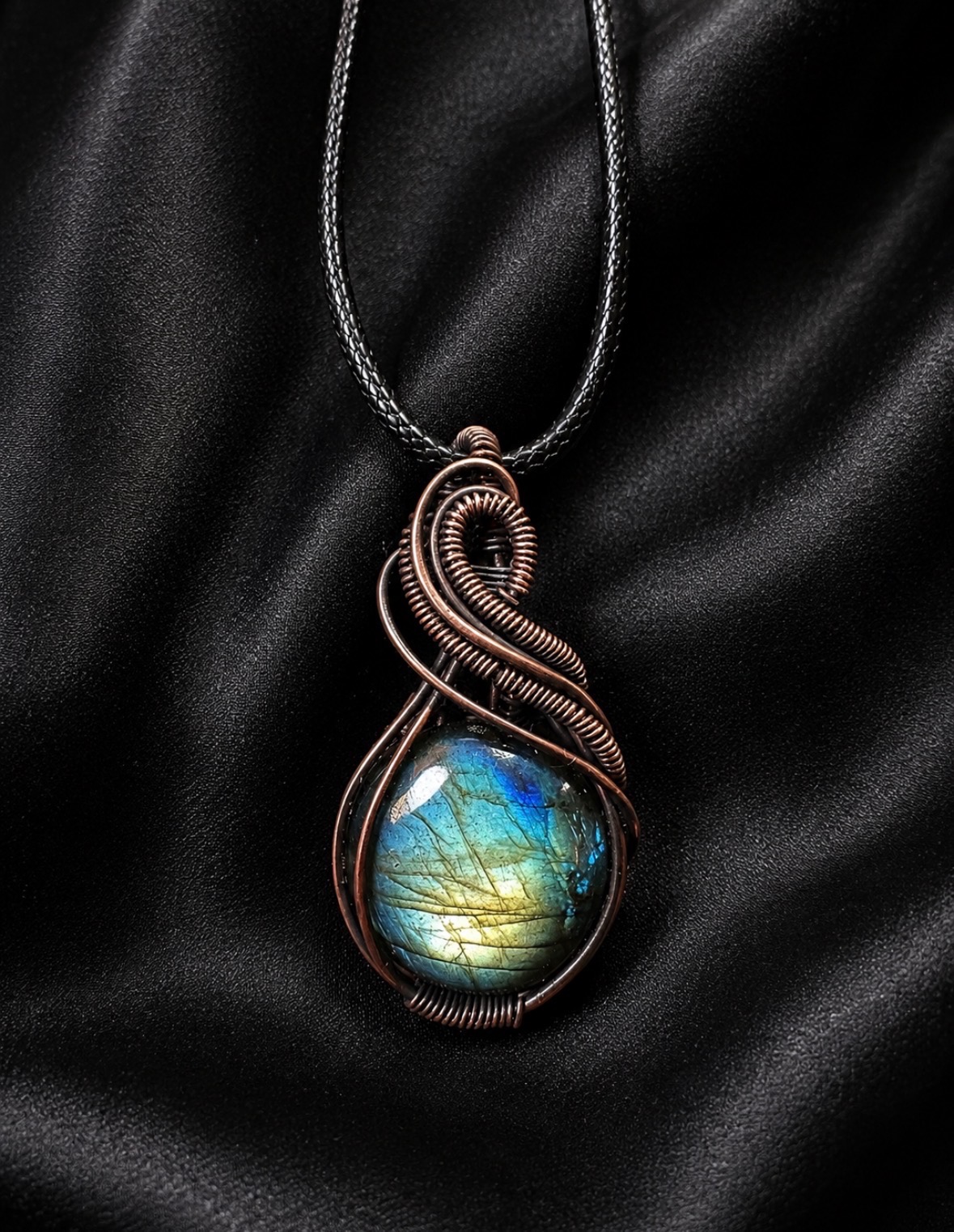
Sometimes, it’s really satisfying to look at a gleaming bright copper pendant, all sparkly and new-looking. However, some pieces look better with a little age on them – when you create a design that’s intended to emulate a classic older style of jewelry, it looks weird when the copper is all bright. When we want this aged look right now, today, we can speed up the aging process.
Antiquing copper jewelry uses a chemical reaction to darken the metal and create a rich, aged patina. Crafters love this simple trick because it brings out fine details, adds vintage charm, and gives shiny new copper a deep, artistic look.
Why Crafters Antique Copper
Sometimes we just feel like a piece needs to be toned down to give it more gravity. Other times we’ve put a lot of effort into hammering or etching the metal and we want those designs to be more easily visible. We can sum up the reasons for antiquing copper jewelry like this:
- Shows tiny details: Dark oxidation settles into tiny grooves and makes carved patterns pop.
- Stops bright shine: New copper looks very bright. Patina makes it soft and warm.
- Looks old: It gives modern handmade pieces an instant vintage style.
How the Process Works
- Clean the metal: Wash the copper first so oil from your fingers does not block the reaction.
- Use a safe chemical: Crafters generally use a liver of sulfur dip in a well-ventilated area. There are also other types of chemical antiquing that tend toward different colors.
- Watch it change: The metal turns brown, blue, or black in just a few minutes.
- Buff the high spots: Rub the piece with fine steel wool, a cotton buffer on a rotary tool, or a basic polishing pad to bring back brighter copper on the raised edges.
- Seal it: Add a clear wax or sealer to keep the dark finish safe from daily wear.
note: We generally allow the end user to make this choice – we don’t make it for you. All of our pieces are unsealed unless otherwise requested or specified.
So there you have it – the totally non-mystical details behind the mystery of “antiqued copper” that you always wanted to know but didn’t know who to ask. You’re welcome!

Leave a Reply